






How to maximize the efficiency of a self-matching motor reducer?
Typically, each motor has a specified efficiency. However, the overall system efficiency, i.e., the motor plus gearbox efficiency, is neither clear nor easy to calculate. This makes gearbox efficiency specifications in product catalogs unreliable. Catalogs usually only provide an efficiency rating that is not entirely accurate. Efficiency depends on many factors, especially gearbox load. Most motors do not list efficiency tolerances or the efficiency difference between a heavily loaded gearbox and a gearbox operating under normal load.
How to calculate efficiency
Here's a simple formula: the gearbox's electrical input power multiplied by the motor efficiency equals the gearbox's input power. Output power is determined by the gearbox speed and load torque. The ratio of output power to input power equals the efficiency.
Power losses in gearboxes are primarily due to heat generated by friction. In micro gearboxes, heat is not a major issue because the power losses and absolute power amounts involved are relatively small. However, large gearboxes use oil coolers and pumps to compensate for the gearbox's inefficiency.
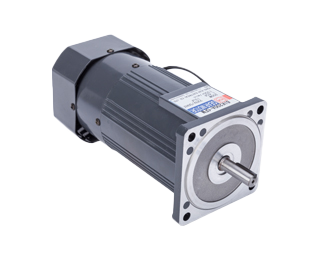
Therefore, friction affects gearbox efficiency, so it is necessary to pay attention to gear quality, number of meshing cycles, and load torque.
The general rule is that the lighter the load and the higher the gear ratio, the less likely the gearbox is to actually achieve the motor's specified efficiency. Light loads and high gear ratios often lead to low gearbox efficiency. However, under heavy loads and high gear ratios, the gearbox will approach its theoretical efficiency.
How to maximize the efficiency of a geared motor
Ultimately, the overall system efficiency depends on the efficiency of both the motor and the gearbox. If the motor and gearbox are each 50% efficient, the system efficiency is obtained by multiplying these two efficiencies. At low speed ratios, the motor bears a heavier load than the gearbox. A lower reduction ratio allows the motor to "see" more load compared to a higher reduction ratio. For example, a 22:1 gearbox has a maximum efficiency of approximately 76%, while the motor's maximum efficiency is approximately 80%. However, these two don't occur simultaneously. When the motor reaches its maximum efficiency, the gearbox efficiency is closer to 63% rather than 74%. Therefore, when the motor is at its maximum efficiency, the gearbox is actually operating at a low speed ratio.
This is a crucial issue. Assuming the gearbox has a constant efficiency can lead to calculation errors. In this case, a 10% difference in efficiency can be significant to the overall system efficiency. At higher gearbox ratios, the efficiency of the motor and gearbox follow similar curves because the gearbox bears a greater load than the motor. This results in the highest efficiency for both the gearbox and the motor.
The variable motor speed presents another set of variables in the overall equation. Fujishiro concludes that the gearbox and motor efficiencies peak simultaneously at approximately 150:1 to 200:1. In conclusion, to achieve optimal system efficiency using minimal power, the motor, gearbox, and load must be closely matched.
Typically, each motor has a specified efficiency. However, the overall system efficiency, i.e., the motor plus gearbox efficiency, is neither clear nor easy to calculate. This makes gearbox efficiency specifications in product catalogs unreliable. Catalogs usually only provide an efficiency rating that is not entirely accurate. Efficiency depends on many factors, especially gearbox load. Most motors do not list efficiency tolerances or the efficiency difference between a heavily loaded gearbox and a gearbox operating under normal load.
How to calculate efficiency
Here's a simple formula: the gearbox's electrical input power multiplied by the motor efficiency equals the gearbox's input power. Output power is determined by the gearbox speed and load torque. The ratio of output power to input power equals the efficiency.
Power losses in gearboxes are primarily due to heat generated by friction. In micro gearboxes, heat is not a major issue because the power losses and absolute power amounts involved are relatively small. However, large gearboxes use oil coolers and pumps to compensate for the gearbox's inefficiency.
Therefore, friction affects gearbox efficiency, so it is necessary to pay attention to gear quality, number of meshing cycles, and load torque.
The general rule is that the lighter the load and the higher the gear ratio, the less likely the gearbox is to actually achieve the motor's specified efficiency. Light loads and high gear ratios often lead to low gearbox efficiency. However, under heavy loads and high gear ratios, the gearbox will approach its theoretical efficiency.
How to maximize the efficiency of a geared motor
Ultimately, the overall system efficiency depends on the efficiency of both the motor and the gearbox. If the motor and gearbox are each 50% efficient, the system efficiency is obtained by multiplying these two efficiencies. At low speed ratios, the motor bears a heavier load than the gearbox. A lower reduction ratio allows the motor to "see" more load compared to a higher reduction ratio. For example, a 22:1 gearbox has a maximum efficiency of approximately 76%, while the motor's maximum efficiency is approximately 80%. However, these two don't occur simultaneously. When the motor reaches its maximum efficiency, the gearbox efficiency is closer to 63% rather than 74%. Therefore, when the motor is at its maximum efficiency, the gearbox is actually operating at a low speed ratio.
This is a crucial issue. Assuming the gearbox has a constant efficiency can lead to calculation errors. In this case, a 10% difference in efficiency can be significant to the overall system efficiency. At higher gearbox ratios, the efficiency of the motor and gearbox follow similar curves because the gearbox bears a greater load than the motor. This results in the highest efficiency for both the gearbox and the motor.
The variable motor speed presents another set of variables in the overall equation. Fujishiro concludes that the gearbox and motor efficiencies peak simultaneously at approximately 150:1 to 200:1. In conclusion, to achieve optimal system efficiency using minimal power, the motor, gearbox, and load must be closely matched.
 XINDA
XINDA