






A Brief Discussion on Miniature DC Motors: Miniature Gear Motors
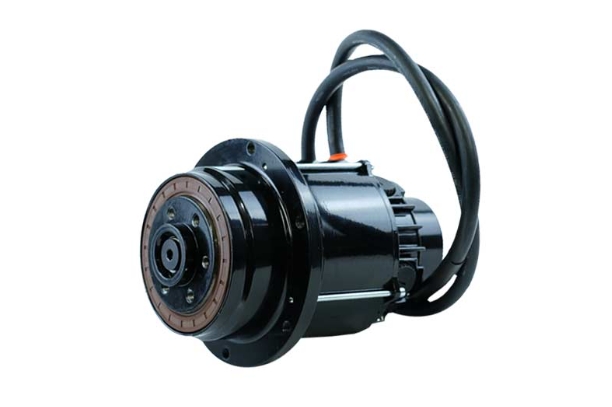
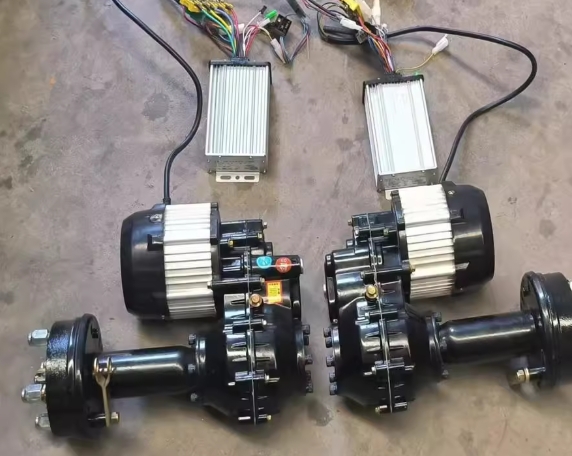
Geared motors are a common type of micro DC motor. However, ordinary micro DC motors cannot meet the requirements of some applications with high torque and low speed. This is because the output speed of ordinary micro DC motors is at least two or three thousand revolutions per minute. For some applications with a speed of a few hundred or tens of revolutions per minute, a geared motor is needed to reduce the output speed of the micro DC motor and increase the output torque.
Miniature DC speed reducers reduce speed through the principle of multi-stage gears (small gears driving large gears). The more gear stages there are, the lower the output speed of the miniature motor will be, and the greater the output torque will be. There are many types of speed reducers for miniature DC motors, such as gear reducers, planetary reducers, worm gear reducers, etc.
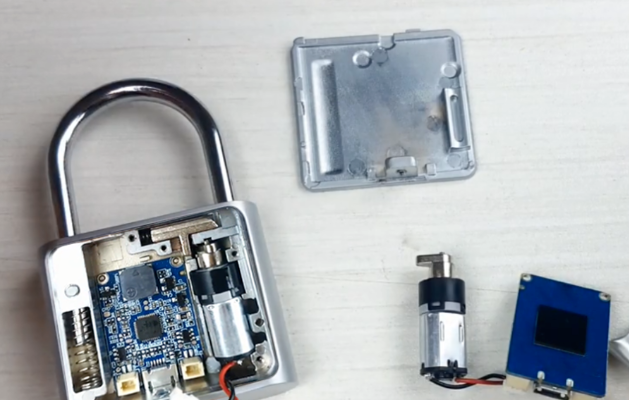
Regardless of the type, all speed reducers require gears for speed reduction; the differences lie in their structure and performance characteristics. For example, a planetary speed reducer uses a central sun gear surrounded by multiple planetary gears (micro geared motors typically have three ). A gear reducer uses a small gear driving a large gear, as shown in the diagram.
1. How to select a miniature DC geared motor?
1) Factors to consider:
a) In what products are miniature geared motors used? The dimensions, shape, and installation direction of the miniature DC motor; the output shaft direction of the gearbox, etc.
b) The operating environment of miniature geared DC motors, such as high temperature, cold, and humid environments, will have different material requirements depending on the operating environment;
c) The current, voltage, speed, reduction ratio, torque, noise, transmission efficiency, and service life of the micro DC motor. These parameters all need to be determined.
2 ) Calculation method for parameters of miniature DC geared motor:
a) Transmission ratio (speed ratio)
Speed ratio = Motor output speed ÷ Reducer output speed;
b) Torque Calculation
Reducer torque = 9550 × motor power ÷ motor input speed × speed ratio × service factor ;
c) Power Calculation
Miniature DC motor power = torque ÷ 9550 × motor power input speed ÷ speed ratio ÷ utilization factor .
By considering the above points, a suitable miniature geared motor can be selected.
2. Noise reduction of miniature geared motors
Some applications have specific requirements for the noise level of miniature DC geared motors, requiring them to be below a certain value. For example, medical devices have strict noise requirements. Tianfu's low-noise miniature geared motors can achieve noise levels below 40dB . Because the speed of miniature geared motors is not high, the noise of miniature DC motors is very low. The main sources of noise are as follows:
1) The friction noise between the brushes and commutator of the miniature DC motor;
2) Bearing noise of a miniature DC motor;
3) The sound of current from a miniature DC motor;
4) Gear friction noise from the gear reducer.
These issues can be resolved with lubricating oil, and the use of sound-insulating material on the back cover of the miniature DC motor can also effectively reduce noise.
3. Factors affecting the efficiency of miniature geared motors
1) During operation, the core of a miniature geared motor will generate iron losses, and the windings will generate copper losses;
2) Excessive temperature rise of the miniature geared motor (generally caused by overheating of the gearbox or miniature DC motor);
3) Excessive operating temperature accelerates insulation aging;
4) Gear transmission losses: Different gear types will have slight efficiency losses.
The above content covers some basic knowledge about micro DC motors and geared motors. For more information about micro DC motors, please continue to follow Xinda Motor.
 XINDA
XINDA