




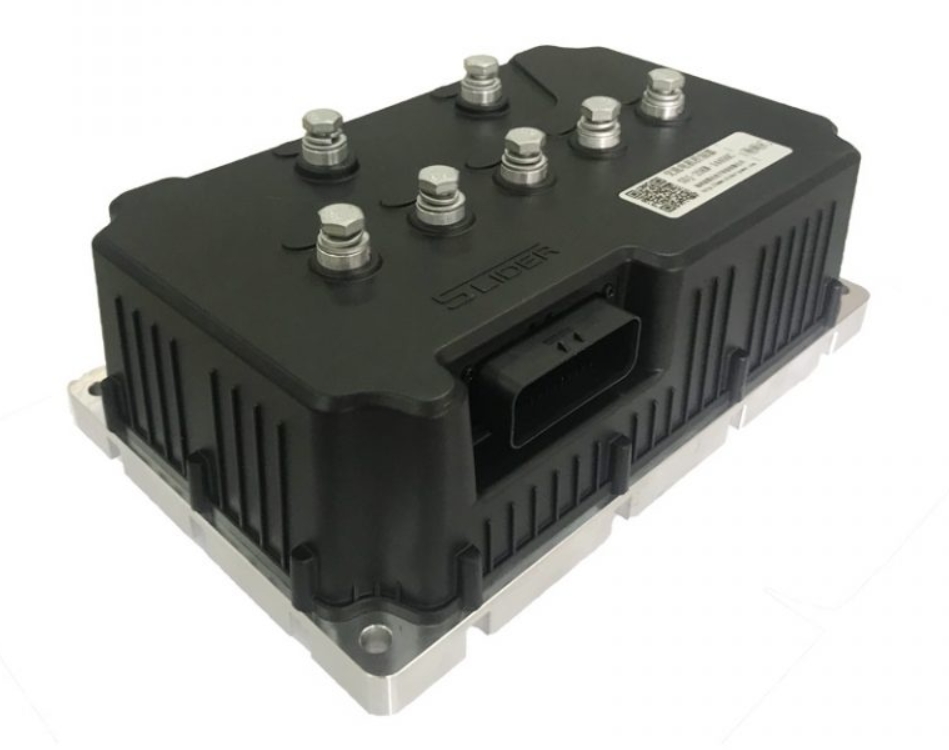


How to calculate the motor speed to meet the air volume requirement when the combustion fan works
Date:2026-02-18 Author:Shandong Xinda Motor Co., Ltd.
The calculation logic of the combustion fan (combustion-supporting fan) is basically the same as that of the ordinary air compressor fan. The core basis is also the fan similarity law. However, in a combustion system, airflow directly affects the air-fuel ratio and combustion efficiency. Therefore, the following key points must be considered during calculation:
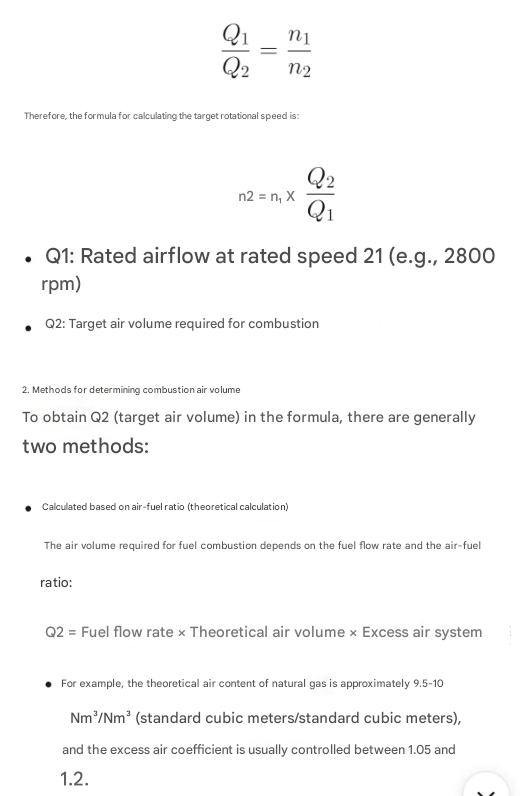
1. Core Calculation Formula
With constant system resistance, airflow is directly proportional to engine speed:
• Oxygen content correction (closed-loop control)
A more precise control method utilizes an oxygen analyzer within the flue gas duct. Based on the residual oxygen content in the flue gas (e.g., a target of 3%), the rotational speed is fine-tuned to precisely match the airflow with the fuel volume, achieving optimal combustion efficiency.
3. Key Reminders for Practical Applications
• Variable frequency drive (VFD) optimization: It is strongly recommended to use a VFD for the combustion blower. If inlet guide vanes or dampers are used, the aforementioned proportional law will no longer apply.
• Monitor pressure changes: The blower outlet pressure (air pressure) is proportional to the square of the rotational speed. When increasing speed, ensure the air pressure is sufficient to overcome the resistance of the burner and furnace; when decreasing speed, ensure the air pressure is greater than the furnace pressure to prevent backfire.
• Avoid stalling: Fan operation should avoid the surge zone. If severe vibration or noise occurs after the fan speed is reduced, it indicates that surge conditions may have been entered.
• Air-fuel ratio interlock: When adjusting the airflow, the fuel quantity must be adjusted simultaneously. In combustion control systems, the safety principle of "increase airflow first, then increase fuel; decrease fuel first, then decrease airflow" is generally followed.
 XINDA
XINDA