



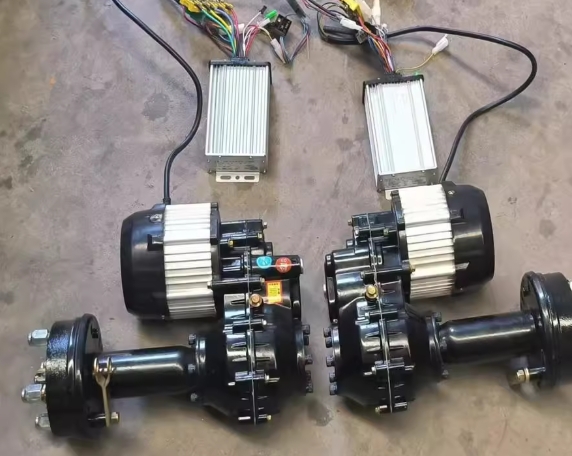
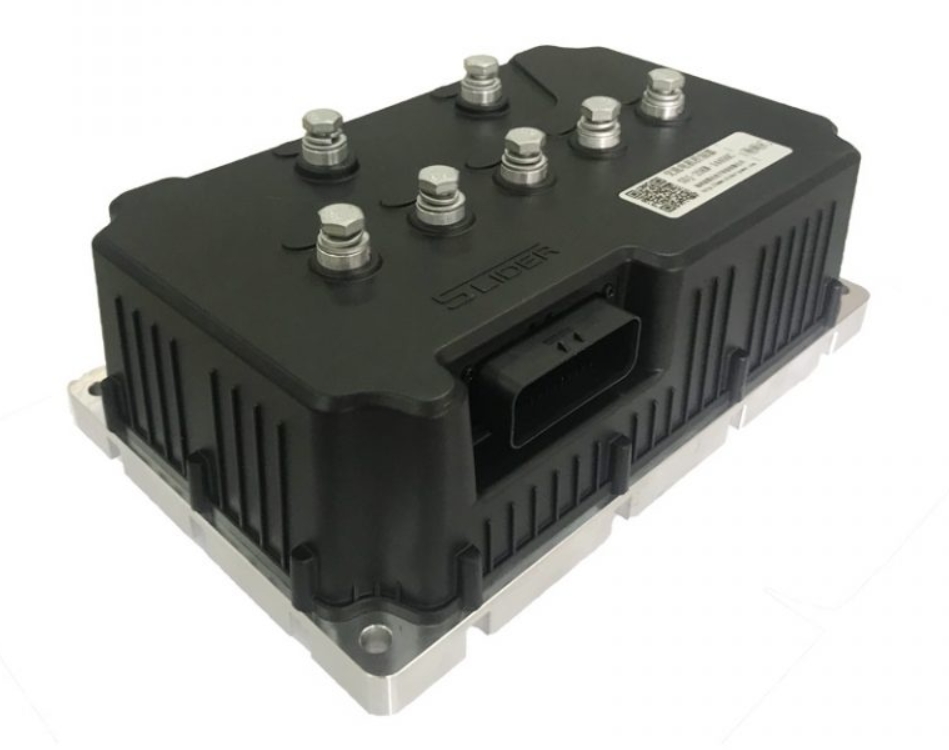


Adverse effects of motor rotor overspeed on the stator
Rotor overspeed can have a significant impact on the stator, directly or indirectly, and in severe cases, may even lead to stator damage. From an electromagnetic coupling perspective, rotor overspeed causes the air gap magnetic field to rotate far beyond its rated value, resulting in a substantial increase in the induced electromotive force and current in the stator windings. This not only causes stator core overheating but also accelerates the insulation aging process. In terms of mechanical stress, rotor overspeed can easily exacerbate rotor imbalance problems, causing severe vibration of the unit. This vibration is directly transmitted to the stator, causing stator core loosening, winding deformation, and in extreme cases, even end clamp breakage. More dangerously, extreme overspeed may cause rotor components to detach or the rotor to expand beyond its limits, rubbing and colliding with the stator, causing direct and severe damage to the stator.
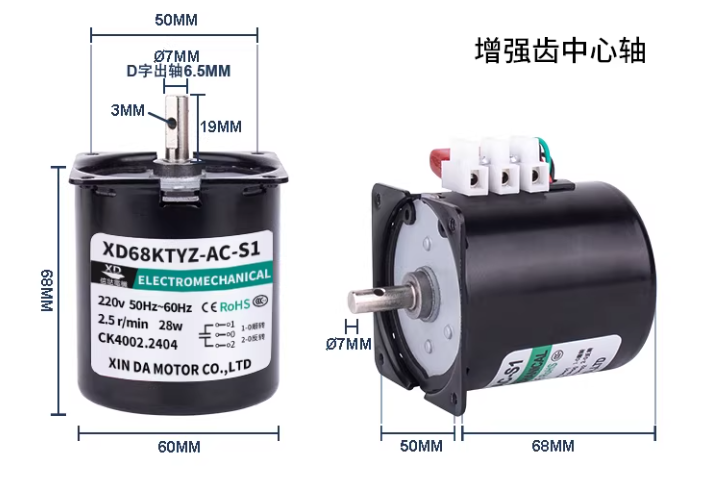
Stator effects corresponding to different speed limits
Slight overspeed ( 1.05~1.1 times rated speed ): In this stage, the stator is mainly affected by slight fluctuations at the electromagnetic level. The rotor overspeed causes the air gap magnetic field speed to be slightly higher than the rated value, the induced electromotive force and current of the stator windings to rise slightly, and the core temperature to be temporarily higher, but not exceeding the safety threshold. The stator insulation is only slightly affected by accelerated aging, there is no obvious vibration transmission at the mechanical level, the core, windings and other structures remain stable, the unit's protection devices usually do not activate, and normal operation can be restored after inspection after shutdown.
Moderate over-limit ( 1.1 to 1.2 times rated speed ) : The combined electromagnetic and mechanical effects begin to appear and gradually become more pronounced. The induced current and electromotive force in the stator windings increase significantly, core overheating intensifies, and insulation aging accelerates. Prolonged operation in this state can lead to irreversible degradation of insulation performance. Simultaneously, increased rotor imbalance causes amplified unit vibration. This vibration, transmitted to the stator, may cause slight loosening of the stator core, minor deformation at the winding ends, and increased stress on the end clamps. At this point, the protection device is highly likely to issue a warning signal; continued operation will further amplify the risk of stator structural damage.
Severe over-limit ( 1.2 to 1.3 times the rated speed): The stator faces serious electromagnetic and mechanical damage. The stator winding current and temperature rise sharply, and the insulation layer may experience localized overheating and carbonization, even leading to potential inter-turn short circuits. Severe vibration can cause the stator core to loosen further, the winding deformation to intensify, and the end clamps may crack. In some cases, the unevenness of the air gap between the rotor and stator increases, causing electromagnetic force fluctuations, further worsening the stator stress state. The protection device will force a trip to stop the machine. If the machine is not stopped in time, localized damage to stator components may occur.
Extreme overspeed (more than 1.3 times the rated speed ): Risk of catastrophic damage to the stator. Overspeeding of the rotor may cause rotor components to fly off, rotor expansion to exceed limits, and direct friction and collision with the stator, resulting in serious structural damage such as stator core breakage, winding burnout, and end hoop breakage. Even without direct collision, the ultra-high frequency air gap magnetic field can induce an ultra-large current in the stator winding, instantly breaking down the insulation layer, causing phase-to-phase short circuits, and ultimately leading to the complete scrapping of the stator, or even a safety accident.
 XINDA
XINDA